
 Login
Login
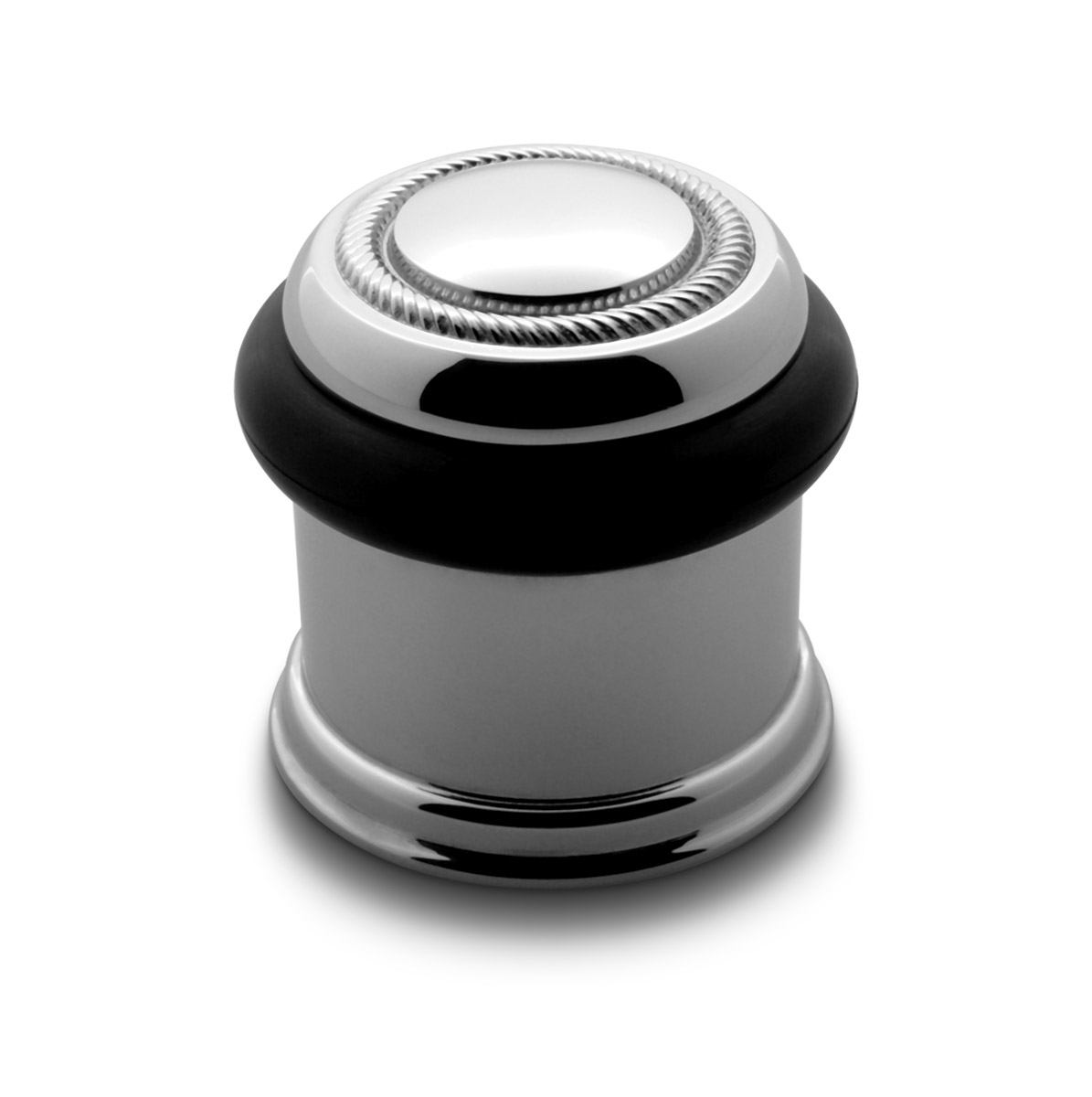
The No 9305 floor-mounted doorstop consists of a shallow dome broken by a roped astragal detail. The same detailing of the No 1305 knob inspires its design. It is available in all NANZ patinated and plated finishes.
The No 9305 floor-mounted doorstop consists of a shallow dome broken by a roped astragal detail. The same detailing of the No 1305 knob inspires its design. It is available in all NANZ patinated and plated finishes.
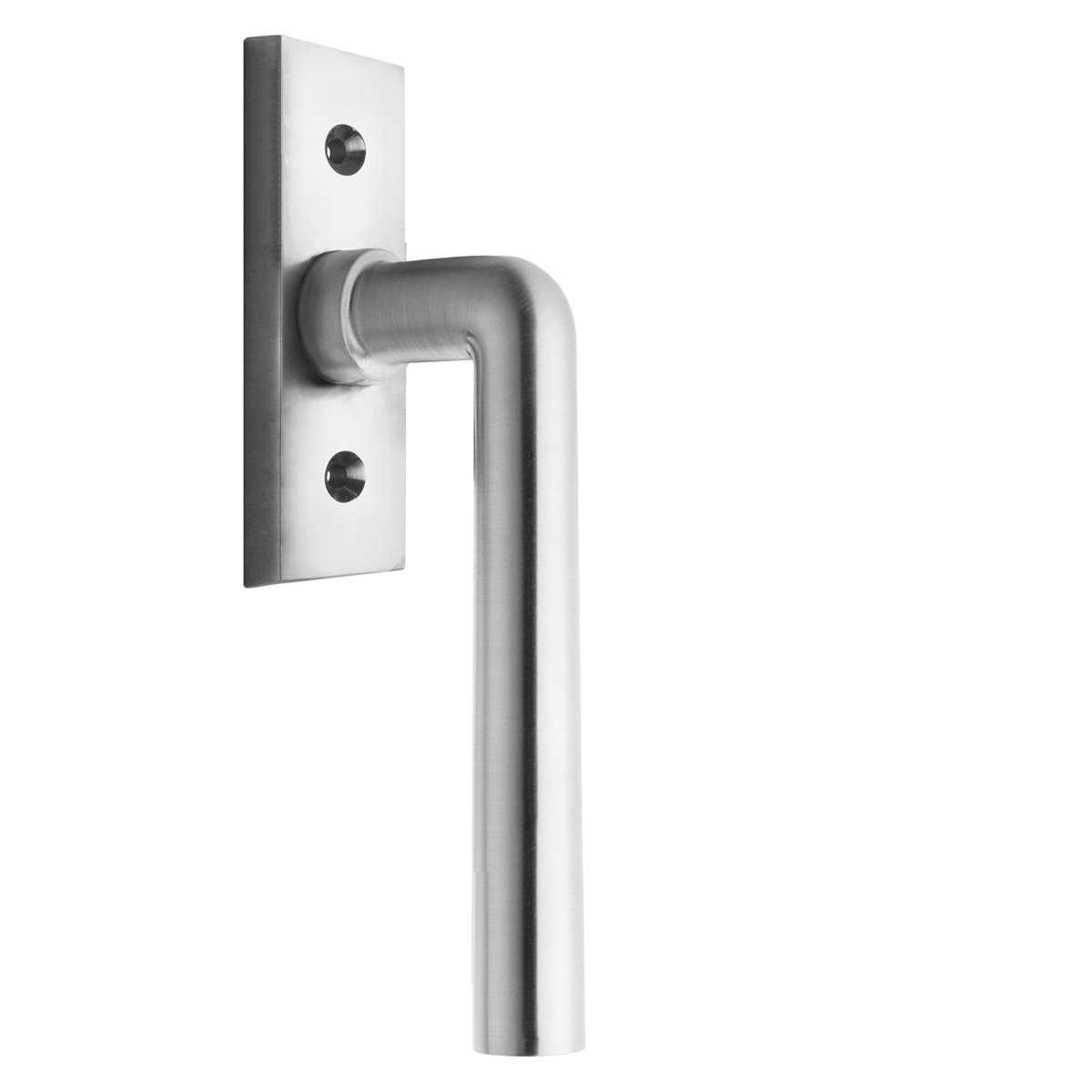
The Nº 9310 is a simple lever designed to operate “Lift and Slide” doors. The escutcheon incorporates a positive stop mechanism that holds the lever in a locked or operable position. The detail on the face of the shank and the edge of the escutcheon keeps it from looking too severe and makes it suitable for a variety of different styles and interiors. All NANZ plated and patinated finishes are available.
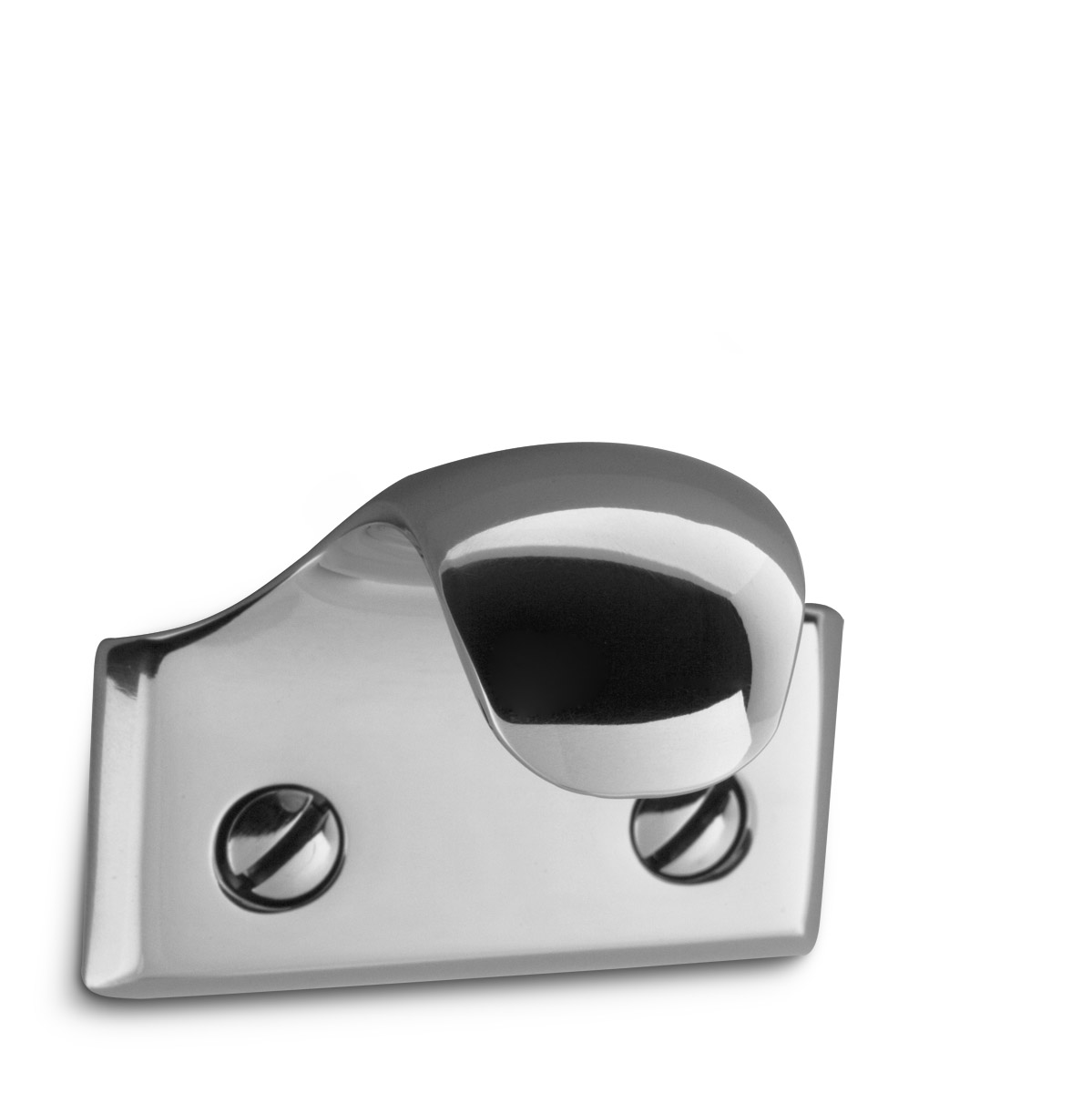
The Nº 9311 sash lift would have been found in American buildings from the Federal period onward. This multi-functional lift has also been specified as a finger pull and, when mounted bottom side up, as a hook. It is made of heavy cast brass. All NANZ finishes are available.
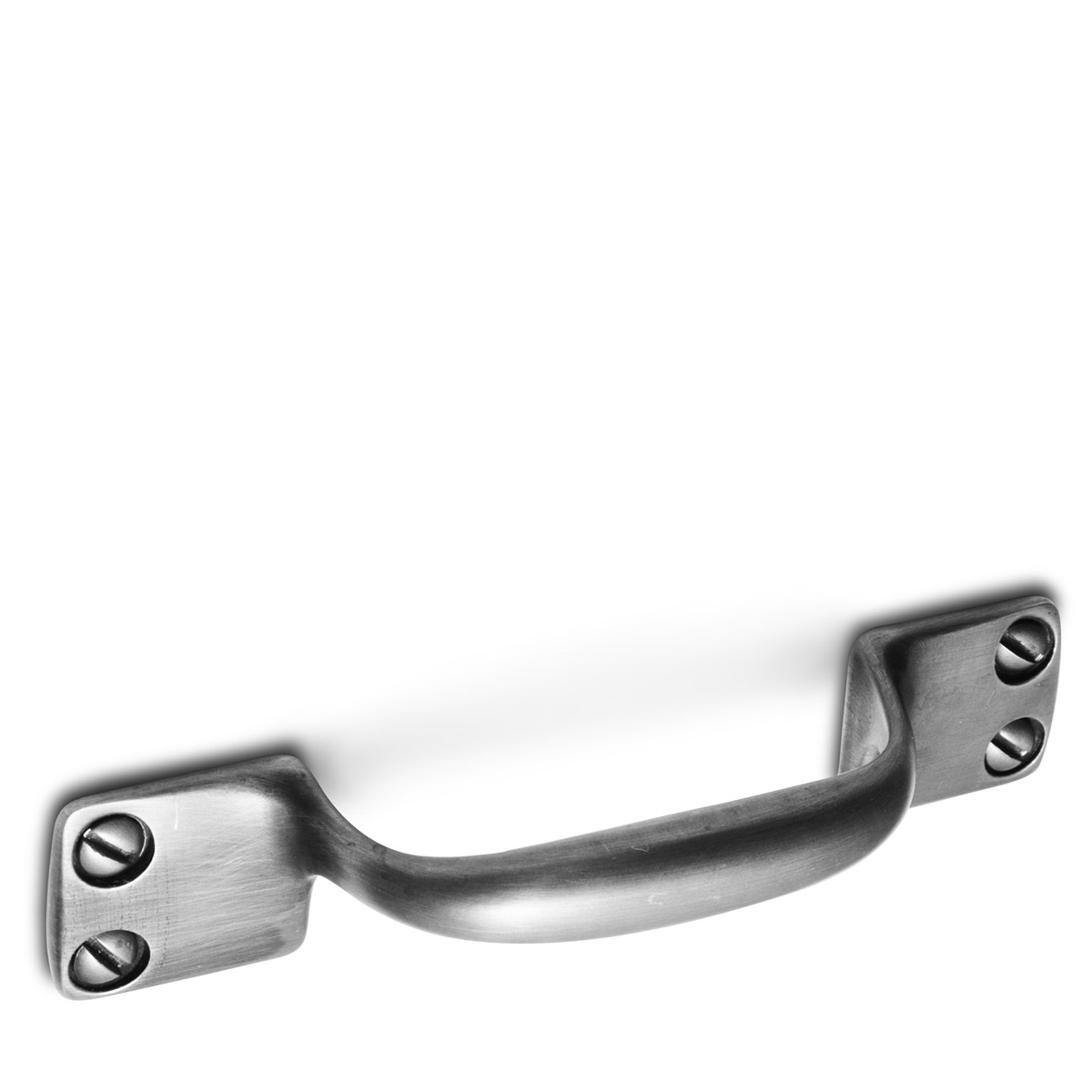
The Nº 9316 sash lift has an offset handle, allowing the fingers greater access when the window is closed. The type along with a number of variations appeared in the early 20th century. It can also be used as a drawer pull. All NANZ plated and patinated finishes are available.
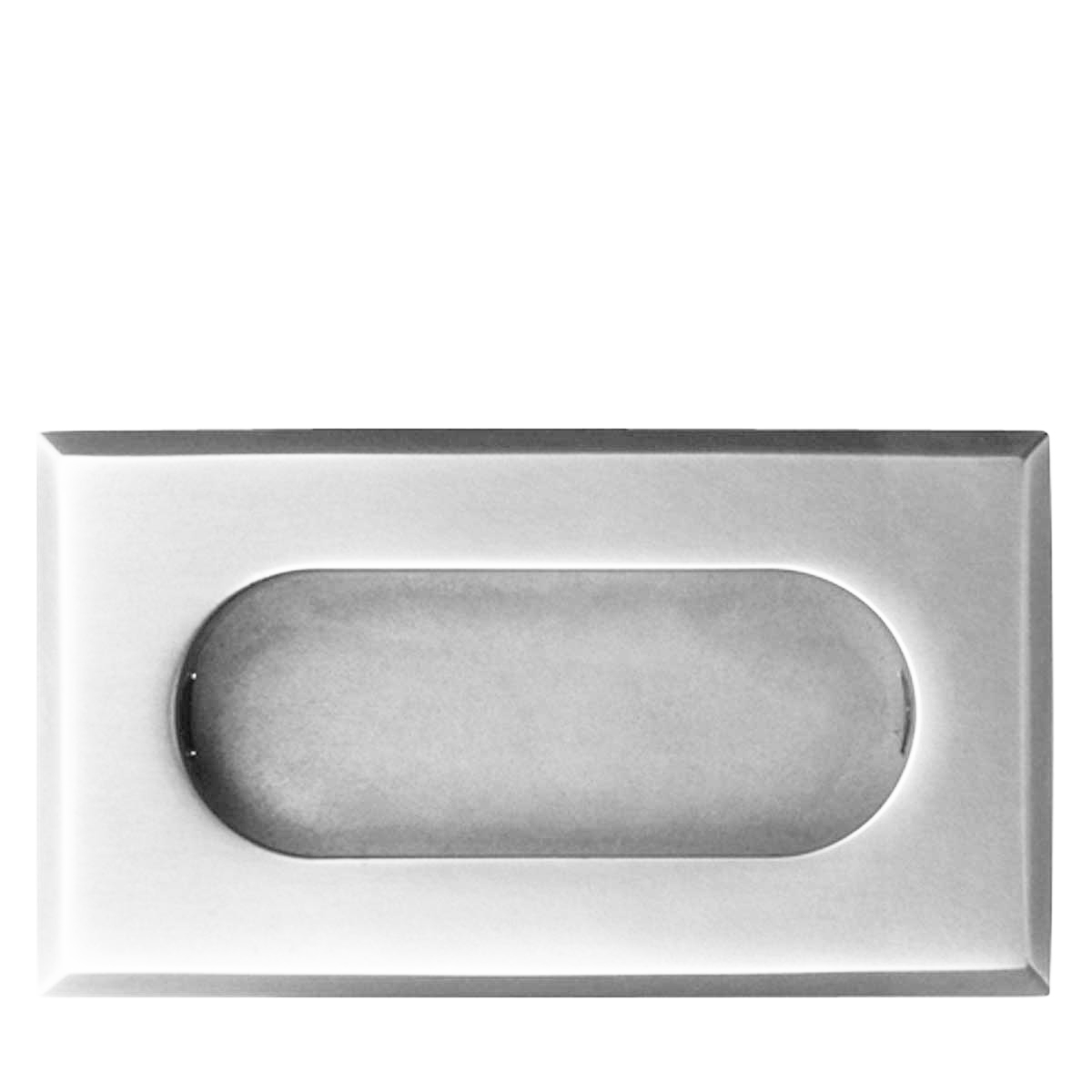
The handsome No 9320 mortised sash lift with chamfered edge is made of heavy cast brass. Mounted with concealed screws, it can also be used as a sliding door or pocket door pull. All NANZ plated and patinated finishes are available.
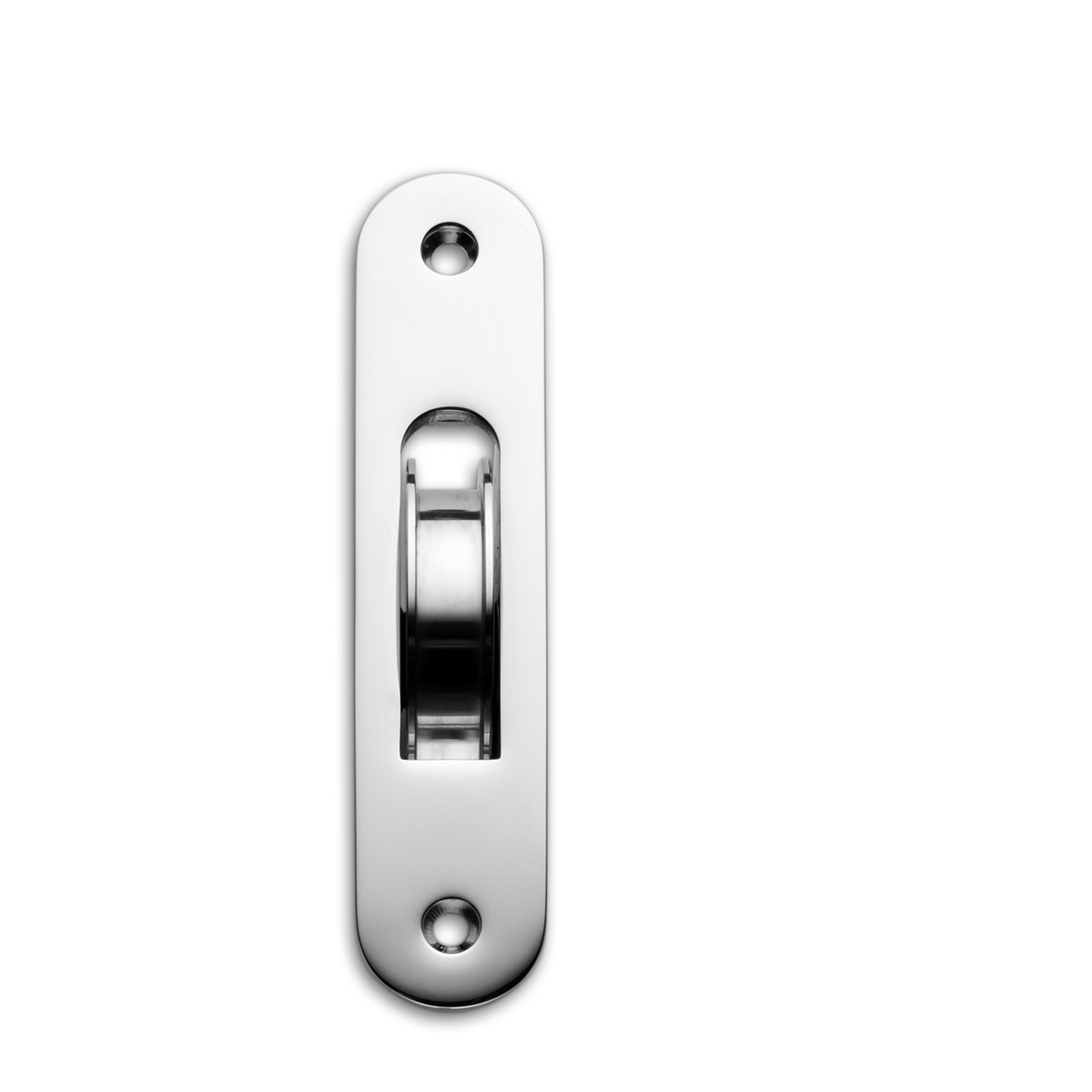
This well-made heavy duty brass sash pulley can accommodate even the largest double hung windows. It is designed for use with a #45 chain or a #10 cord, and a 2” diameter or 2” square counterweight. The pulley wheel is 2-1/2″ in diameter. All NANZ plated and patinated finishes are available.
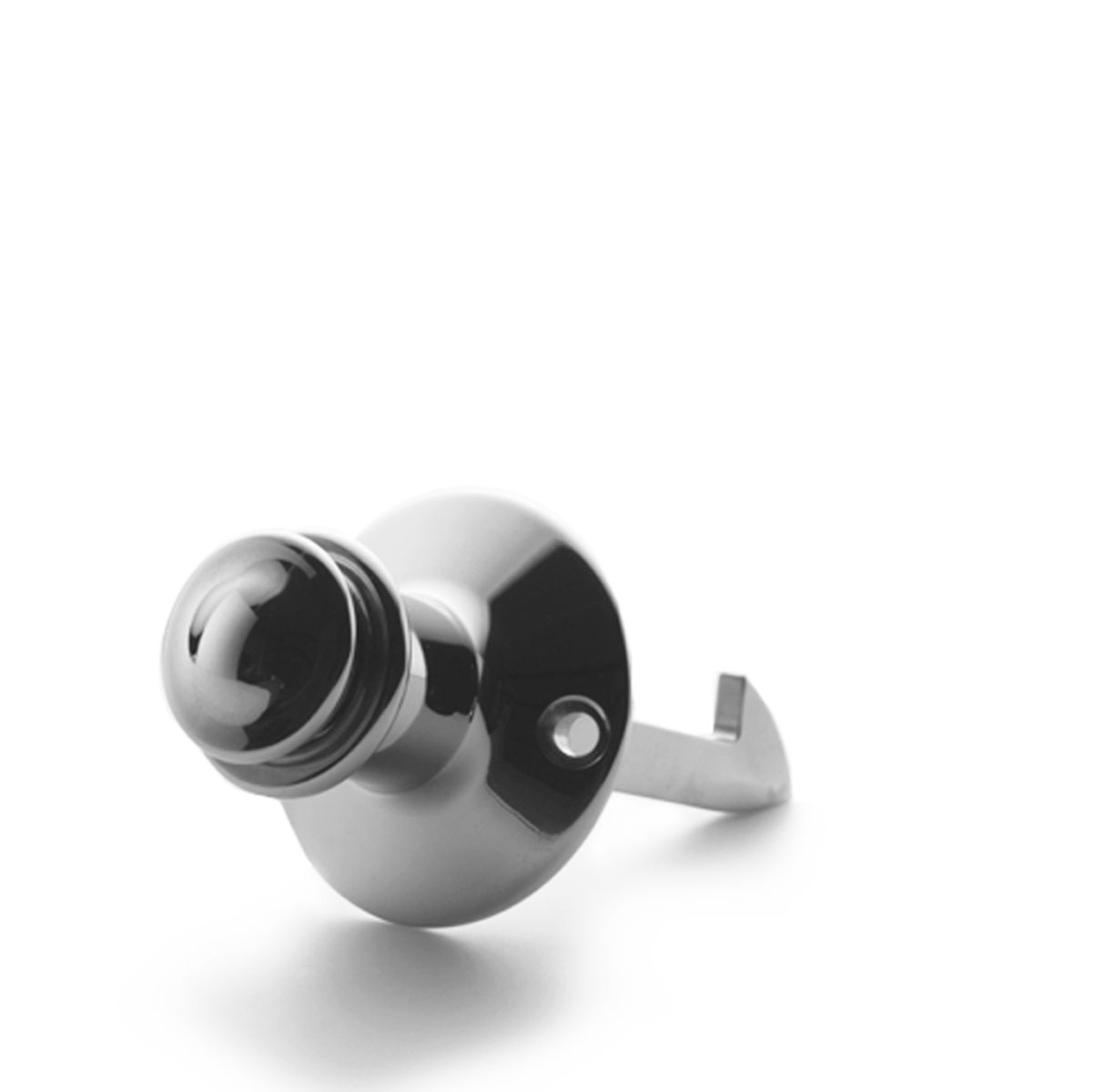
The No 9353 latch with spring loaded button is typically used to secure cabinet doors. It was often found on classic, simple kitchen cabinets of the early 20th century. All NANZ plated and patinated finishes are available.
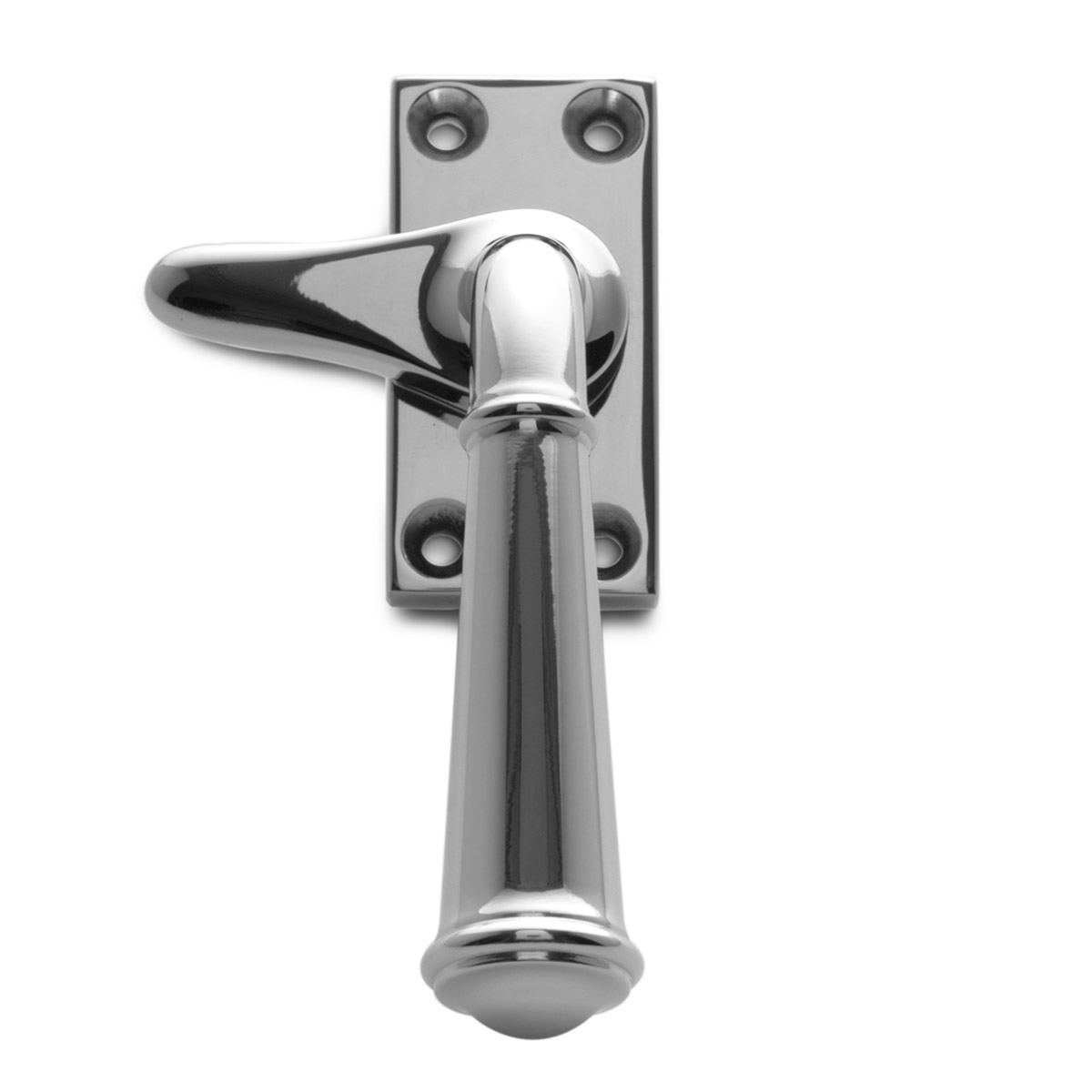
The Nº 9413 casement fastener with rim strike, suitable for inswing or outswing windows, can be provided with different strikes for varying conditions. It is operated by the Georgian-inspired tapered handle, which is defined on either end by a plain astragal and ends in an ogee-shaped dome. The rectangular backplate with four exposed screws emphasizes the simplicity of the design. It is suitable for a variety of traditional interiors. All NANZ plated and patinated finishes are available.
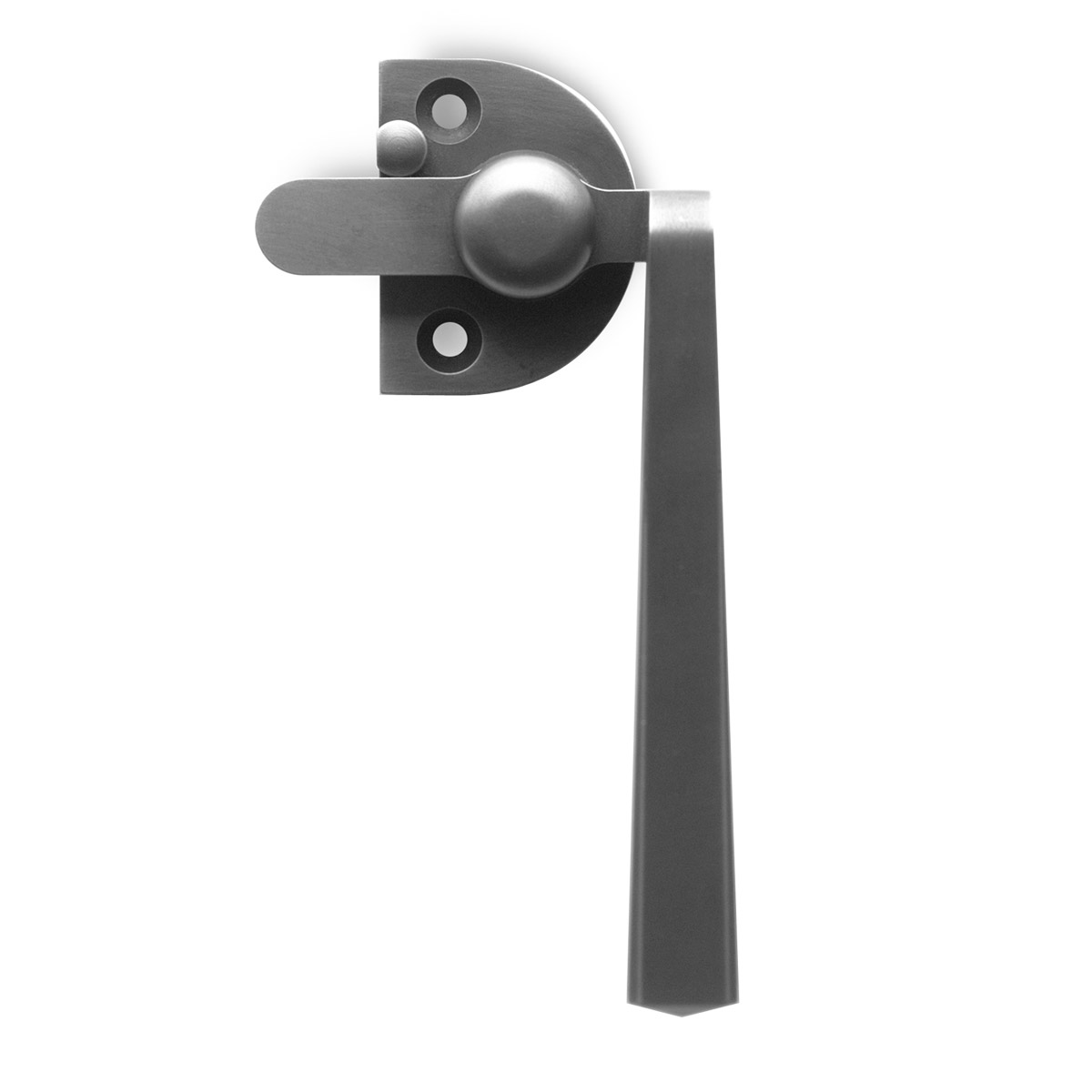
The Nº 9430 surface mounted casement fastener, dating from the early 20th century, is used to secure both inswing and outswing casement windows. The tapered handle has chamfered edges and a pyramidal top. The handle is handed, right hand shown. All NANZ plated and patinated finishes are available.
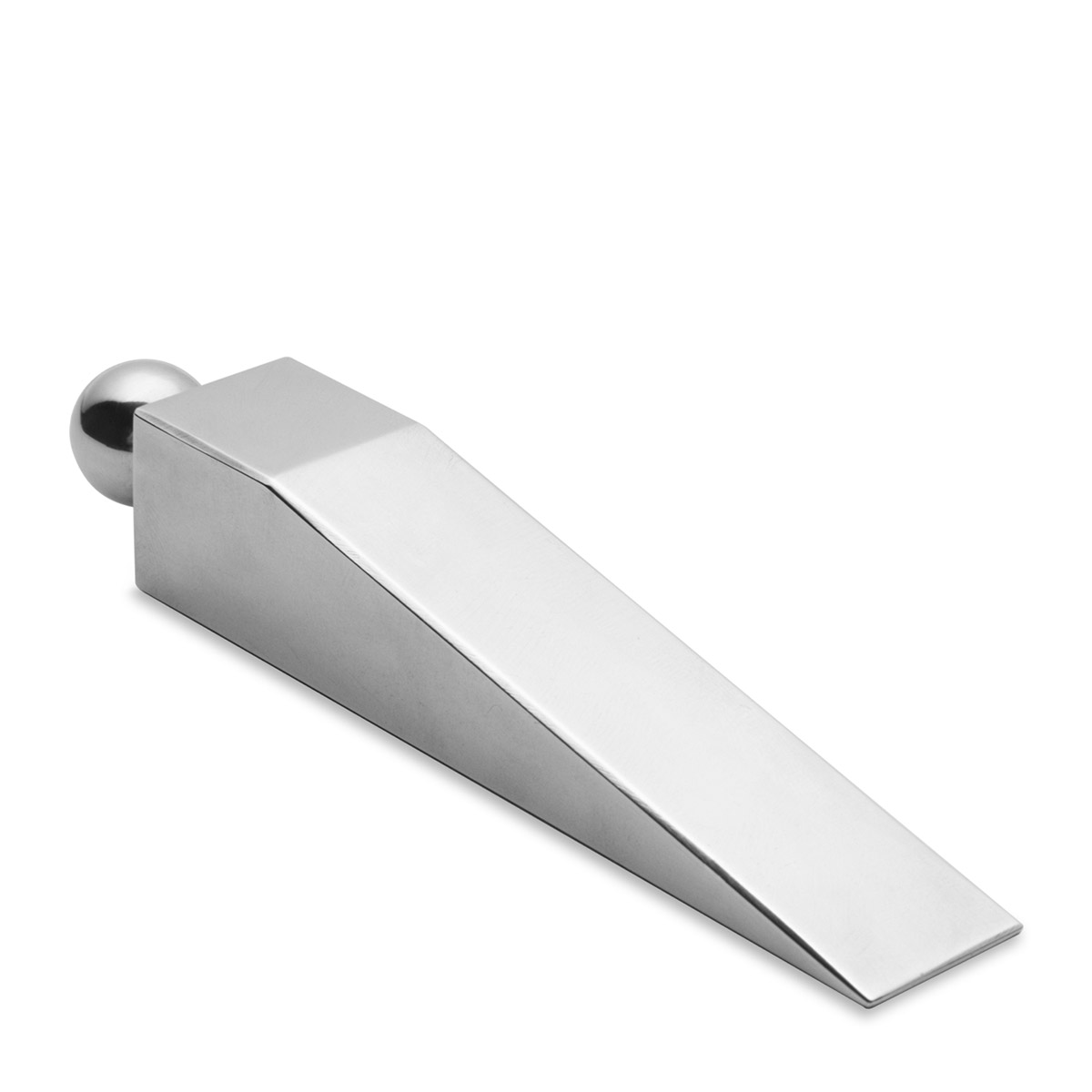
Wooden wedge door stops have always been the most basic and ubiquitous of door devices. Here NANZ has created an equally functional but more elaborate version of the classic wedge. Solid brass with a round finial which serves as a handle, the No 9432 is a wonderful version of an age-old classic and is available in all NANZ plated and patinated finishes.
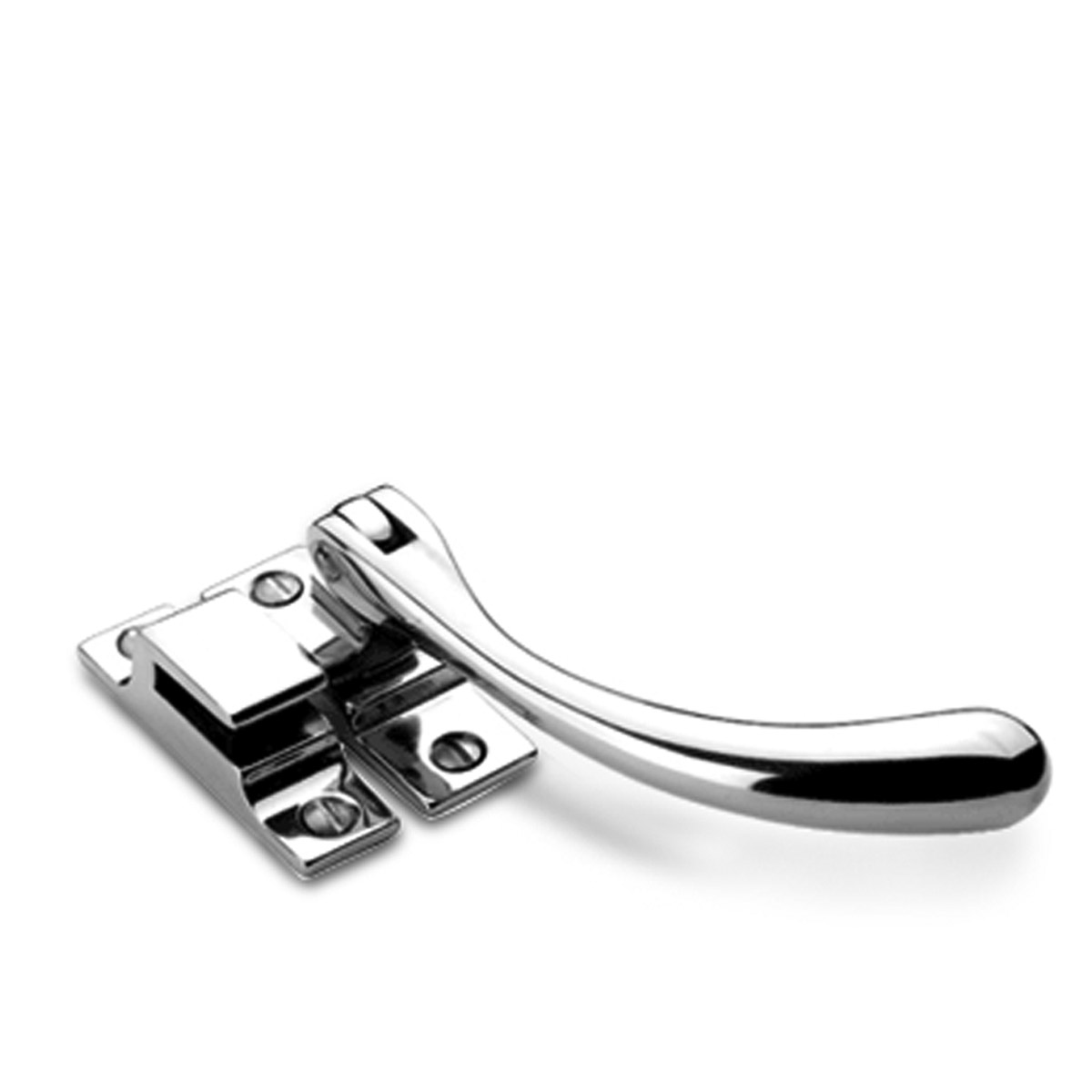
The Nº 9437 surface mounted casement fastener, is used to secure both inswing and outswing casement windows. The organic shape of the handle protrudes outward for ease of operation. The fastener is reversible. Like most NANZ products, the Nº 9437 is available in a variety of plated and patinated finishes.
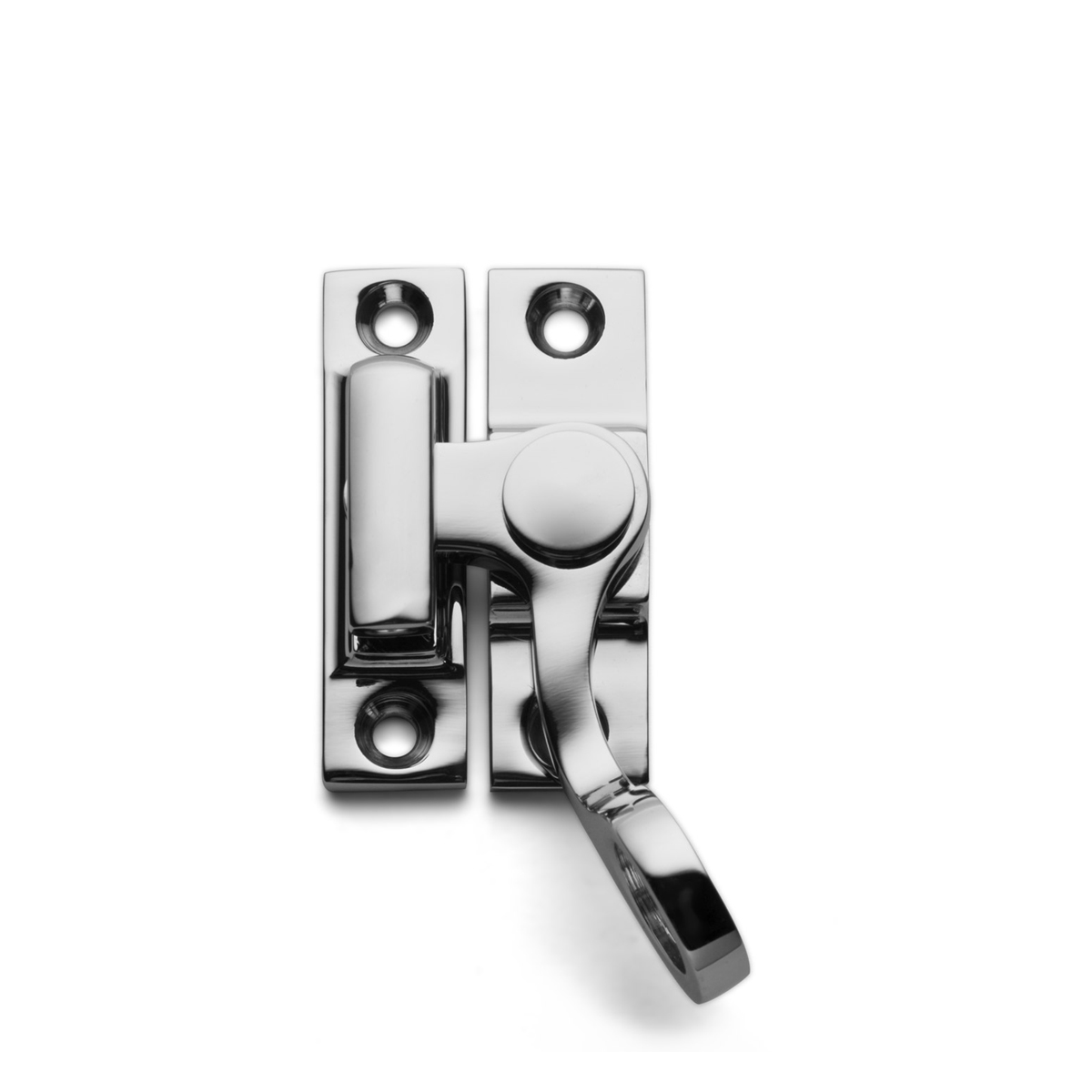
The Nº 9438 surface mounted casement fastener, based on an early 20th century design, is used to secure both inswing and outswing casement windows. The ring handle allows the fastener to be operated by the Nº 9581 transom hook. Mortised or surface-mounted strikes are available. The fastener is handed. All NANZ plated and patinated finishes are available.
Click the  to add an item to a
PORTFOLIO. This is the first step for:
Requesting PRICING
or
PURCHASING product,
or
SHARING product,
or
ORGANIZING product for future use.